The shape of a historical home is a pledge. Also from a distance, a Federal roofline signals restriction and order, a Queen Anne account introduces love and motion, and a Tudor gable states fortitude. Finials rest at the apex of that assurance, essentially. They punctuate ridges and apexes, completing a roof with the type of flourish that photos can not fake and mass-produced components never rather achieve. When crafted with treatment and an eager eye for period subtlety, a finial is not a device, it is style in miniature.
Over 20 years specifying and installing architectural metals on heritage residential or commercial properties and critical brand-new builds, I have actually learned that a personalized finial has 3 work. It needs to recognize the language of your home, stand up to actual weather condition, and connect beautifully to the roof covering system without inviting difficulty. Every little thing else flows from those three commitments. The right form, the right product and coating, the appropriate attachment, the ideal relationship to its companions on the roofing system, from Custom Roof Covering Vents to Customized Chimney Shrouds and even Personalized Snow Guards. When these parts coordinate, you feel a home's era, not just see it.
What a finial truly does
Most people think about finials as decorative spikes. On some homes, that is true, but their historic role gets to even more. Finials anchor a make-up. They mark a centerline on a Federal townhouse, lead the eye with a Queen Anne's crookedness, or lock a Tudor gable's powerful triangle. Virtually, they additionally shield susceptible ridge ends and seams, losing water and snow where roof changes meet. The old home builders recognized this. That is why you find original copper and lead finials still standing square after a century, patinated yet intact.
A good finial operate at 3 distances. From the street, the silhouette reviews clean and suitable. From the backyard, proportions, tiering, and profiles lug the period's character. Up close, seams, soldering, and joinery show a self-control you can feel under your fingertips. I have seen installations that looked sufficient from 200 feet yet broke down the initial winter season since the base blinking was an afterthought. No coating or grow salvages inadequate fundamentals.
Reading the period: just how style forms the shape
Homeowners usually get here with a preferred picture from a book or a drive with a historic area. We begin rather by reading your home. Cornice depth, window muntin pattern, gable pitch, even porch braces will inform you exactly how the finial wishes to behave. Each design asks for a various temperament.
Federal, quietly emphatic
Federal style likes order and restraint. Roofs are reduced pitch than their Georgian forebears, cornices are crisp, and ornament folds itself into geometry instead of phenomenon. For Federal finials, think about a gauged spire rather than a crown. Transformed types motivated by classic urns and pillars fit, yet they need to be slim and well proportioned.
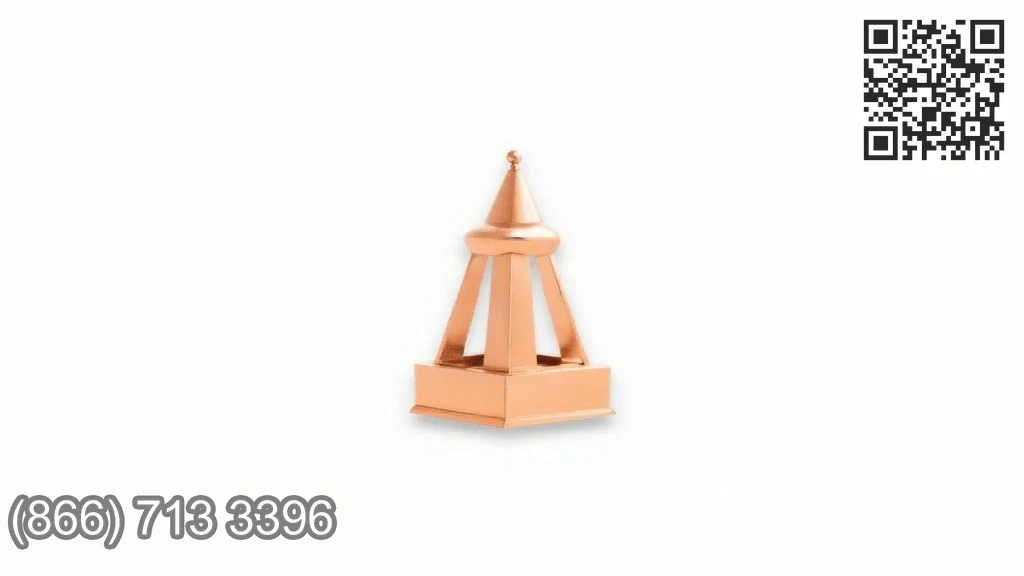
My rule of thumb on a Federal condominium with a parapet-fronted gable is to keep the finial height around 24 to 36 inches, depending upon ridge length and parapet elevation. The base shifts best as a square or octagonal plinth with a superficial fillet. The shaft must taper in a solitary move, maybe with one restrained bead or torus. Prevent sphere finials with overlarge balls, they push the layout towards Rule or even Victorian sentiments.
Material option matters. Smooth copper, either mill-bright that will certainly smooth to a soft brown in the very first year or pre-patinated for a deeper environment-friendly, checks out correctly. Painted zinc-tin alloy can additionally work where a slate roofing already has graphite tones. Beaming stainless attracts excessive focus on a Federal exterior unless dulled with a cleaned surface and incorporated with various other stainless accents like Custom Leader Boxes and bands in the exact same tone.
On one Baltimore job, the owner wanted to revitalize a long-lost ridge accessory. Archival photos showed a spindly wood apex that had actually failed in the 1920s. We reinterpreted it as a copper obelisk, 30 inches high, on an 8 inch square base with a quarter-inch expose. It rests at the centerline like latest thing of a sentence, company but not https://www.tumblr.com/nimblytranquilwanderer/815825886588878848/crafting-authenticity-customized-dormers-for loud.
Queen Anne, choreographed exuberance
Queen Anne roofs dance, and the finials have to maintain time. Turrets, dormers, go across gables, and formed tiles produce layers, so a finial should sign up with that conversation without shouting. Ball-and-spike combinations, multi-tiered bases, and delicate cresting in between finial points belong here. Balance is second to rhythm.
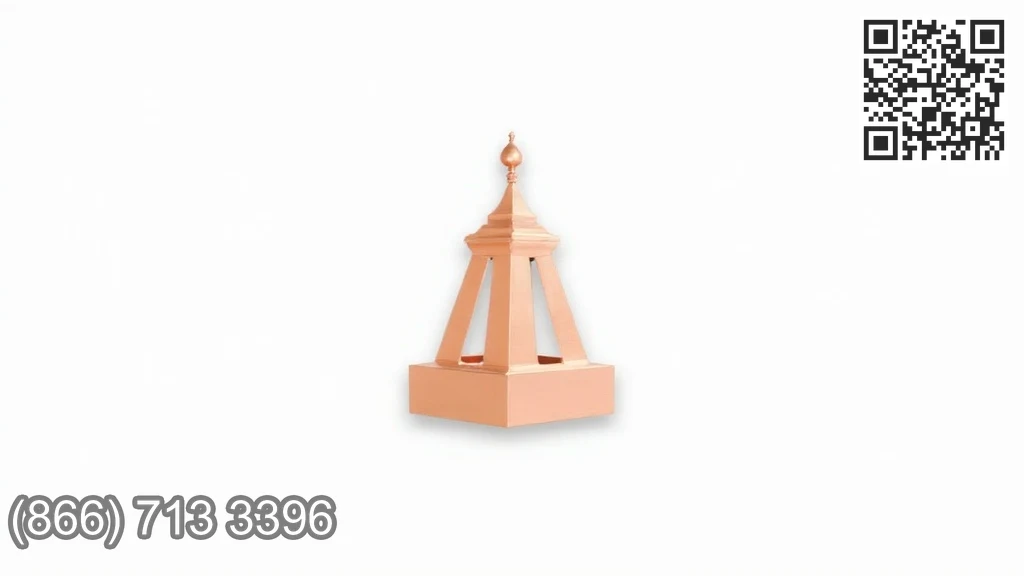
Scale is generous. A turret cap can bring a 36 to 48 inch finial with a pleased round near the leading and a conical spike climbing over it. Cross-gable optimals may take smaller sized friends, 18 to 30 inches, to connect the eye across the roofline. Accounts can tip and transform, however each step needs a factor. Way too many bands turn a finial right into a pile of pancakes.
Copper continues to be the traditional, but this is just one of minority historical designs where a little gilding or painted detail once showed up, especially on grand homes. Today, a soft comparison usually comes from coupling the finial with Custom Roof covering Vents or personalized cupolas in working with steels. One Seattle Victorian had six dormers, each begging for spelling. We established a hierarchy, the primary turret with a 46 inch finial and delicate copper cresting around the bell roof covering, the dormers with 22 inch cousins resembling the very same bead-and-reed information. Snow lots and winter winds in that area can be punishing. We enlarged the interior armature and defined three concealed stainless pins into the turret structure, plus a patina finish pre-aged to a cozy brown so the set felt chosen day one.
Queen Anne welcomes play, but only inside craftsmanship. The evil one is not just in the detailing, it is in the wind. Excessively high spikes without inner reinforcement pulse under gusts and work-harden the joints. If your home sits on a bluff or by open water, ask for a larger gauge, 20 to 24 ounce copper for the main aspects, and an interior stainless mast that links back to structure. Your roofing professional will thanks in February.
Tudor, muscle and rooted
Tudor Resurgence celebrates mass. Steep gables, hefty chimneys, and dark hardwood accents develop weight and darkness. Finials here ought to really feel built instead of rotated, even when built in sheet metal. Geometry is stockier, with squat spikes, octagonal or square bases, and, on substantial houses, crockets or fallen leave themes that climb the shaft.
Heights usually can be found in lower than Queen Anne, however the footprint is bigger. On a two-and-a-half-story Tudor with a 12:12 or steeper pitch, a 24 to 36 inch finial with a 10 to 12 inch base looks reliable. We commonly elongate the base so that it nests right into the ridge board and gets a tile or slate skirt that overlaps the blinking. Finials on Tudor gables additionally have a connection to the chimneys. If you prepare Customized Chimney Shrouds or caps with shoulders and rolled edges, echo those relocate the finial's base. The roof covering, vents, and chimneys must trade the very same visual language.
Material leans darker. A pre-weathered zinc, lead-coated copper, or even oil-rubbed bronze surface premises the item. High-polish steels battle the half-timber aesthetic. On a Michigan lake residence buffeted by lake-effect snow, we used lead-coated copper for its slate-like tone and excellent solderability, and we coupled the finials with durable Customized Snow Guards straightened in very discreet rows. The guards were not decoration, yet they entered into the roof's pattern, and their finish matched the finials. The snow guards did their peaceful task. The finials never had actually to.
Choosing accounts without pastiche
The line in between tribute and caricature is thin. I keep an easy test. If you took the finial off and showed it on its own, could you call the period? If the solution is yes as well swiftly, it is most likely exaggerated. Great personalized job borrows self-control from furniture. A Chippendale chair uses percentage and subtle curvature to introduce itself prior to the decoration shows up. Finials act similarly. Start with massing that aligns with the roof covering. After that decide where to enrich.
For Federal, enrichment could be a solitary astragal grain at the third point of height. For Queen Anne, maybe a round with a fragile shoulder and a fine reed at the base. For Tudor, a carved ogee with a leaf cluster at the upper 3rd, carried out shallowly so it reviews as an appearance, not a flower eruption.
Avoid mixing account vocabularies throughout ages. The flamelike fleur that looks spirited on a Queen Anne cresting feels laughably picky on a Tudor ridge. The column that disciplines a Federal roofing system looks also stiff on a turret.
Materials, coatings, and what they actually correct time
Copper, zinc, and their coated cousins are not just colors. They move, age, and increase in a different way. They dictate joint strategies, soldering temperatures, and the life-span of a joint.
Copper stays the most versatile. In 20 to 32 ounce assesses, it takes crisp seams and contours easily. In coastal air, it will green, however on inland roofing systems it has a tendency toward a range of russet and coffee over the first decade. Pre-patinated copper can avoid the unpleasant orange phase, yet it will certainly still wander as sun and rainfall service it. A well made copper finial should service 60 to 100 years without significant work, offered flashing and places are sound.
Lead-coated copper includes a restrained grey that sets perfectly with slate and Tudor combinations. The covering additionally moderates reflectivity, valuable on tall roof coverings that catch late-afternoon sunlight. Soldering needs care to avoid melting through the finishing, and you will want a shop with experience in post-solder touch-ups.
Zinc and zinc-tin alloys provide a silent, graphite tone from the first day and develop a steady carbonate aging. They are softer than copper, so inner reinforcement issues, specifically at ideas and edges. Stainless supplies strength yet can review chilly. If you use stainless for skeletons or Custom Roof Vents, collaborate the surface coating so it sits back rather than sparkling.
Painted surfaces are a choice, especially on steel finials created to echo built ironwork on Tudor homes. Modern fluoropolymer paints hold shade for twenty years or more. The tradeoff is touch-up intricacy if you mess up the surface throughout upkeep, and the fact that paint masks fabricational artistry. If you have stunning solder grains and hand-formed joints, let the steel show.
Patina chemistry should have a note. Home owners occasionally ask for fast-tracked verdigris. Forced aging can look theatrical. The very best faster ways utilize proprietary treatments provided in a regulated shop atmosphere, adhered to by a mild wax. Ask to see aged samples in sunlight and shade, and, preferably, on a rooftop. What flatters in a studio can read splotchy at height.
Structure and setup, the components nobody photographs
A finial makes it through by just how it satisfies the building. Too often I see a gorgeous top-piece undone by a sloppy base or an informal fastener choice. Consider the finial as a little pole. The lots course requires to discover framing, not just sheathing, and the blinking have to work as a tiny roof, not an afterthought.
For new construction or an open roofing, I favor to set up a hidden stainless or galvanized steel blog post that rises with the ridge and bolts into obstructing or a ridge beam of light. The finial sleeves over that post and locks with set screws or pins, concealed under a collar. The collar, consequently, remains on a double-flashed base, key firm steel with a second underlayment expansion. In deep snow areas, that base should consist of an ice belt or crickets to divide drifts.
On existing roof coverings, particularly with breakable slate or clay tile, access and protection matter greater than rate. We often construct a split-base finial, where the reduced skirt arrives in two pieces that we can relieve under the slates without damaging half the training course. The seam hides under an increased account. For high Queen Anne turrets, crane time and rigging budgets are real. Expect a half day to establish a big finial safely, consisting of harness work and support points that satisfy code. Anyone who guarantees a giant turret finial in an hour is preparing to reduce edges you will not see up until the storm.
Sealants do not belong as the primary defense. They fall short. Utilize them as a last belt-and-suspenders grain over a correct firm joint, and only in formulations compatible with your metal. Silicone can toxin some patinas. Butyl tapes can slip under warmth. This is where partnering with a shop that stays in steels, not simply installs them, pays dividends.
Proportion, sightlines, and the fifteen-step test
We mock up. Absolutely nothing replaces a shape at scale. Cardboard, foam, or slim plywood cutouts lifted to the roof tell brutal truths. A 36 inch finial that seemed right can look silly versus a high smokeshaft 3 feet away. Sightlines from the road and main approach paths dictate tweaks.
I utilize the fifteen-step test on most homes. From the pathway, take fifteen rates, quit, and appearance. Move fifteen even more, look again. Repeat up until your house loads your view. At each quit, the finial needs to check out as component of the whole, neither undetectable nor insistent. If you just observe it when you squint, it is also little or as well close in tone to the skies. If your eye goes there initially, it is possibly too large, as well glossy, or both. On Federal homes, a whisper is much better than a yell. On Queen Anne, the finial should join a carolers, not solo. On Tudor, it should stand as a spelling mark, not an exclamation.
Coordinating with the rest of the roof
A roofing is a small ecosystem. Finials work best when they converse with bordering pieces. Custom-made Dormers, Customized Roof Covering Vents, Customized Leader Boxes, and Customized Smokeshaft Shrouds offer possibilities to develop a language of lines and finishes that keep the eye unwinded. The best tasks really feel unavoidable, not assembled.
In technique, we usually draw a solitary theme throughout components. A reed at the base of a Queen Anne finial re-emerges as a delicate band on copper leader heads. The beveled shoulder of a Tudor finial turns up as the drip side profile on chimney shrouds. On a Federal townhouse, the finial's base measurement aligns with the size of the cupola's edge pilasters. These connections do not announce themselves, they simply make the composition reviewed as one thought.
Custom Snow Guards, while utilitarian, can become part of that rhythm. A row straightened with the reduced sides of dormers and resembled along a gable swiftly really feels willful. Match metal and finish to the finial and leaders. If you have painted half-timbering on a Tudor exterior, consider a darker patina or a powder layer that companions with that said tone so the guards and finials snuggle right into the architecture.
Working with a manufacture partner
The difference between a magazine piece and a customized finial shows in just how a shop listens. Products and machines matter, but the ear is what conserves you from mistakes in history and proportion. An excellent partner will certainly ask for pictures, gauged illustrations, and, ideally, a short website visit. They will illustration variations, not one, and they will certainly push back when an idea fights the house.
Shops like Salvo Metal Works focus on architectural steels as craft, not commodity. That transforms the discussion. Instead of hunting for a part number, you develop a profile together. You review how the base interfaces with a slate ridge, how a dormer's cheek will stalk the finial at 4 p.m., just how a Custom Roofing Vent can echo a finial's shape so the roof reviews like a family members. And you speak truthfully regarding budget plans. A facility, hand-formed Queen Anne finial with interior framework and a big base can take forty to sixty shop hours. An easier Federal piece might be half that. Setup logistics can match or surpass construction price. Knowing this very early avoids uncomfortable concessions late.
Ask to see welding and soldering samples. Seek tidy grains, no pinholes, and self-displined grind work where needed. Ask about just how the shop takes care of galvanic communications if they intend to combine metals. Demand bolts that match the life span of the finial, not zinc-sprayed screws under a copper skirt that will rot themselves to powder while your finial outlasts them.
Cost, value, and where to spend
Custom architectural metalwork is not affordable, however it lasts longer than styles and fixes details that mar residences for generations. Anticipate an array, not a fixed price, due to the fact that access, dimension, and structure turn costs widely.
A modest Federal finial in copper, 24 to 30 inches, produced with an uncomplicated base and mounted on an obtainable ridge might drop in the reduced 4 numbers. A big Queen Anne turret finial with internal springtime steel, ball-and-spike describing, and crane-assisted installation may climb right into the mid to high four numbers, sometimes much more if cresting or complex bases go along for the experience. Tudor items differ with finish. Lead-coated copper can include material expenses, yet it commonly saves labor if the patina gets here settled.
Spend your cash on framework and base combination initially. A perfect gloss on a weak armature is thrown away. Afterwards, invest in coating uniformity across the roof covering aspects you can see together. If your spending plan stretches, think about adding a brother or sister component that reinforces the structure, a little finial on a second gable, or a polished Personalized Leader Box that grabs the finial's line. If you must save money, streamline account complexity rather than thinning material gauge.
Common blunders I see, and how to avoid them
Here are the 5 missteps that most often require a remodel, with straight fixes that appreciate both budget and dignity.
- Oversizing on tiny gables. Solution: mock up at complete scale and sight from the sidewalk and driveway. Shrink until it vanishes, then step back up one size. Shiny on sober architecture. Solution: select pre-weathered steels or light patination to land in the ideal tonal family members from day one. Weak bases and noticeable bolts. Remedy: layout a hidden install connected to mounting and a double-flashed base. Hide established screws under a collar detail. Mixing vocabularies. Remedy: select 2 or 3 profile actions and repeat them across components. Avoid importing information from a various age for novelty. Neglecting wind and snow. Remedy: strengthen tall finials with interior poles, define heavier scale steels, and collaborate with Personalized Snow Guards and ice-belts as part of one plan.
Weather, maintenance, and living with patina
A finial is reduced maintenance if designed right. Two times a year, throughout seamless gutter cleansing, have a person search for noticeable activity, stopped working sealer at the base bead, or a shift in plumb. From the ground, a set of binoculars will certainly show every little thing you need to recognize. Retouch just where the steel invites it. Do not polish patina. It is not silver on a sideboard. On repainted steel, a chip package matched to the initial set keeps rust from starting.
In coastal environments, salt carries further than you assume. Consider somewhat much heavier gauge and tighter seams. Inland, hailstorm issues much more. Zinc's soft qualities suggests that big hailstones can leave dimples. Copper withstands better, yet no metal shrugs off golf rounds. Insurance claims apart, a few shallow marks at roof covering height disappear to the eye in a month.
Lightning anxieties surface every now and then. A finial is not a de facto lightning rod, though it can become part of a grounding strategy. If your house has a contemporary lightning protection system, coordinate. Affixing a finial to that system can be as easy as a hidden conductor dive, provided it satisfies code and does not invite different metal corrosion. This is among those edge instances where bringing the lightning service provider and the steel store right into the same conversation conserves time.
Bringing it all with each other, one roofing system at a time
The most gratifying minute on a job shows up late in the day, the setting up down, the sun moving throughout a new shape. The appropriate finial changes just how a home holds the perspective. On a young household's Queen Anne in Minneapolis, we restored the turret's confidence with a layered copper finial that responded to the original strategies we discovered embeded the region archives. The neighbors saw initially. Not the finial, however the house, now coherent. The owners texted a week later on that they were fielding concerns concerning "what else altered." Nothing else had, other than the roof's punctuation.
That is the test I maintain in my pocket. The best finial ought to make the design feel noticeable. Federal homes request for grace. Queen Annes ask for poise in motion. Tudors ask for resolve. When you collaborate with a producer in harmony with those state of minds, when Custom Dormers, personalized cupolas, Customized Roofing Vents, Custom-made Leader Boxes, and Customized Chimney Shrouds integrate in line and coating, the roofing becomes music. And at the extremely top, the finial plays the note that allows the chord ring.